
STRUCTURAL DRYING
Professional Structural Drying in North DFW
Advanced drying technology and proven methods to remove hidden moisture, protect your property, and restore a safe, healthy environment.
24/7 Emergency Response

IICRC Certified Technicians

Fully Insured For Your Protection

Insurance Claim Support

More Than Just Removing Water
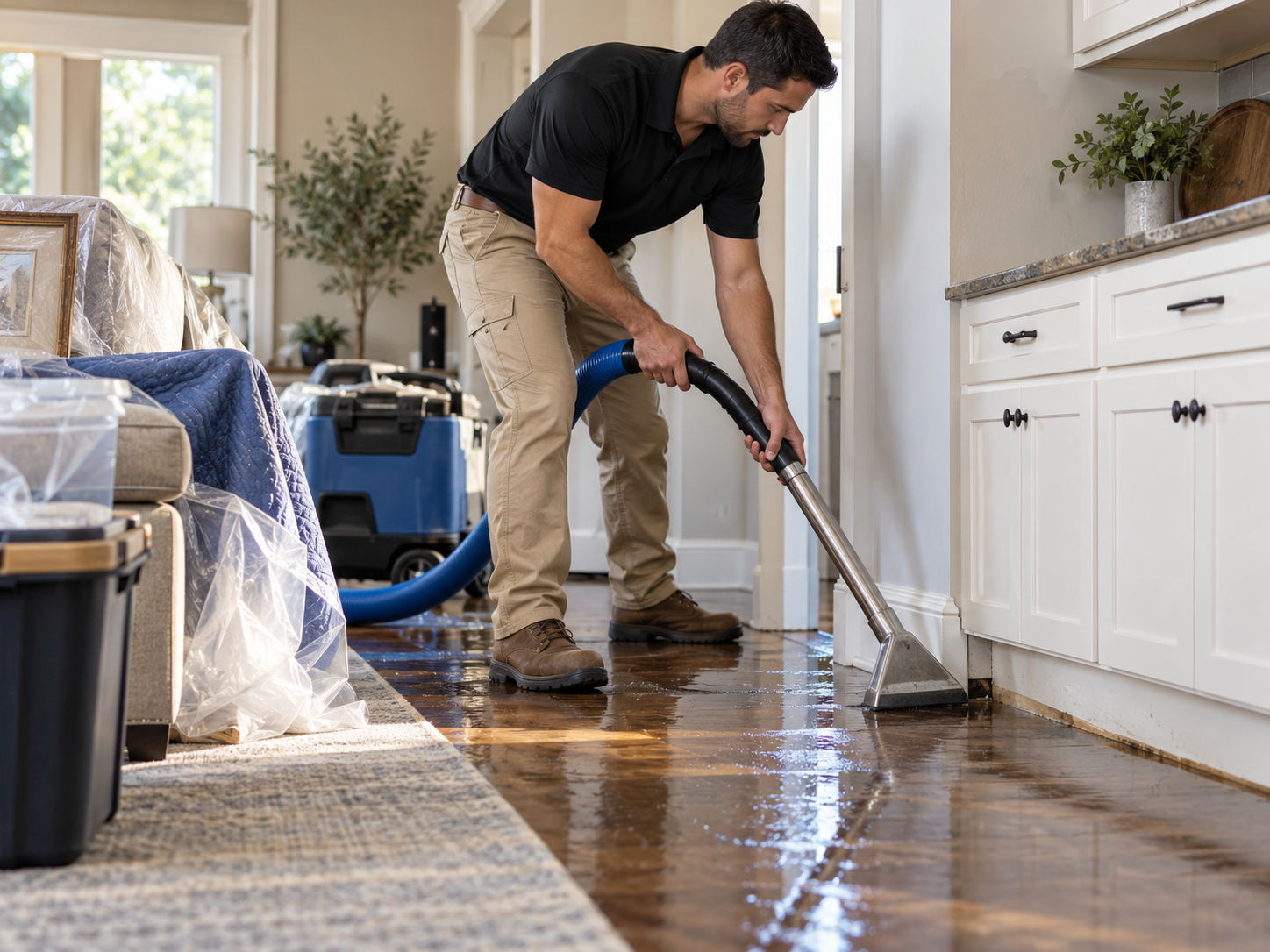
Even after sanding water is removed, moisture remains trapped in walls, floors, ceilings, and other materials. Professional structural drying uses specialized equipment and monitoring to remove this hidden moisture and return your property to proper drying goals.
Why Structural Drying Matters
Removes Hidden Moisture
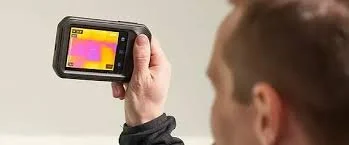
The directed airflow and dehumidifying process forces out moisture trapped in walls, subfloors, ceilings, and other materials.
Prevents Secondary Damage
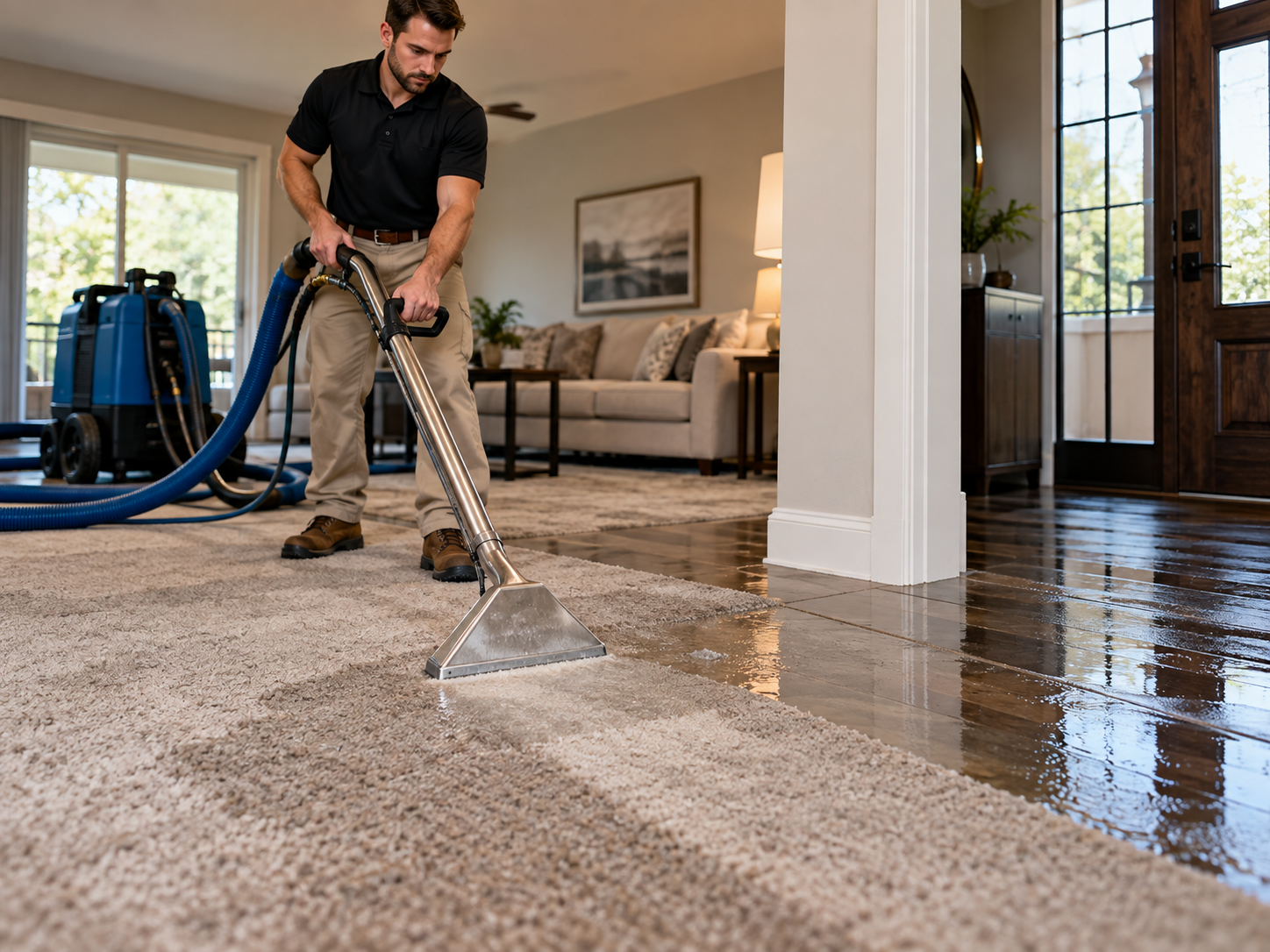
Reduces the risk of mold growth, material warping, and deterioration.
Helps Save Materials
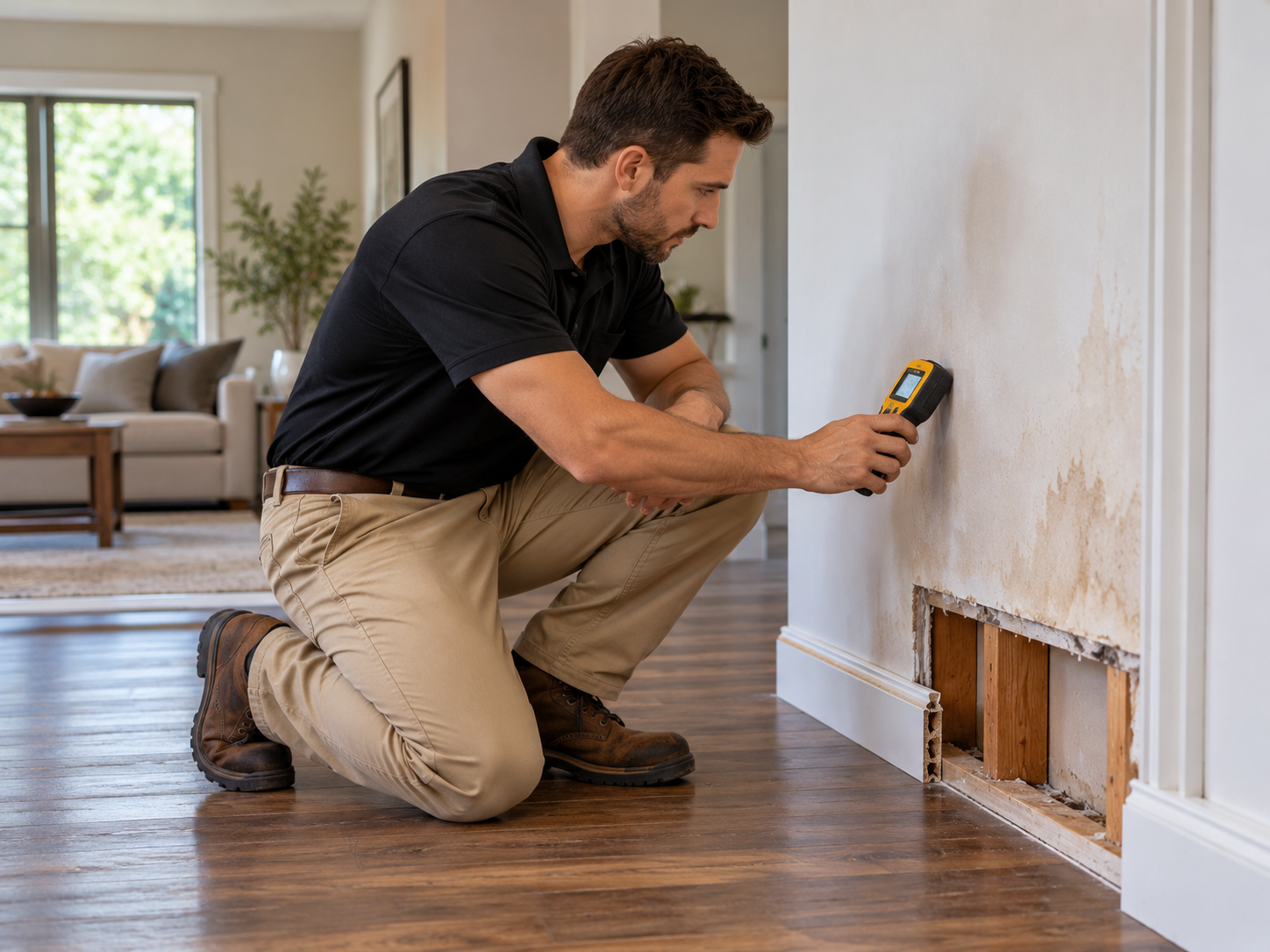
Proper prompt drying can often avoid unnecessary demolition and repair costs.
Verifies the Job is Done
We use moisture meters and drying goals to confirm proper drying and progress.
Our Structural Drying Process

1: Assess & Protect
We locate moisture, identify affected materials, and create a customized drying plan.

2: Set Up Equipment
Strategic placement of air movers, dehumidifiers, and other equipment.
3: Monitor and Adjust
We track moisture levels, relative humidity, and drying progress daily. We will adjust to ensure proper drying.
4: Confirm Drying
We verify materials have reached appropriate drying goals per IICRC S500 standards.
Drywall
Hardwood Flooring
Wood Framing
Tile & Grout
Cabinetry
Insulation
DRYING OF MATERIALS
What Materials Can Be Dried?
Many building materials can be successfully dried when the right steps are taken early. Evaluations are preformed on a case-by-case basis.
-
Most residential drying projects take about 3–5 days, although every loss is different. The timeline depends on how much water entered the property, how long materials were wet, what materials are affected, and how quickly mitigation began. Ridgewell monitors moisture levels throughout the process and adjusts equipment as needed rather than removing equipment based on a predetermined number of days.
-
No. Wet drywall does not automatically need to be removed. Whether it can be dried depends on factors such as the amount and type of water, how long it has been wet, whether insulation or other materials are trapped behind it, and whether the drywall has lost its integrity. Ridgewell evaluates the assembly before recommending removal because our goal is to dry what can be safely restored and remove only what needs to be removed.
-
Often, yes when the loss is addressed quickly. Hardwood can absorb moisture beneath the visible surface and may begin to cup, crown, or warp. Depending on the extent of the damage, professional moisture monitoring and specialty drying methods may allow the flooring to dry in place rather than be replaced. Hardwood is also considered a more difficult, low-porosity material in certain drying situations, so the drying plan will be based on actual moisture readings and conditions.
-
We don't determine dryness by appearance or touch alone. Ridgewell uses professional moisture meters and documented readings to track affected materials and compare their progress against appropriate drying goals. Equipment is adjusted as drying progresses, and materials are verified before the drying process is considered complete.
-
Structural drying is commonly part of water-damage mitigation when the underlying loss is covered by your insurance policy, but coverage depends on the cause of the water damage and the terms of your specific policy. Ridgewell documents affected areas, moisture readings, equipment use, and drying progress so there is a clear record of the work performed. Your insurance carrier or adjuster ultimately determines coverage.