
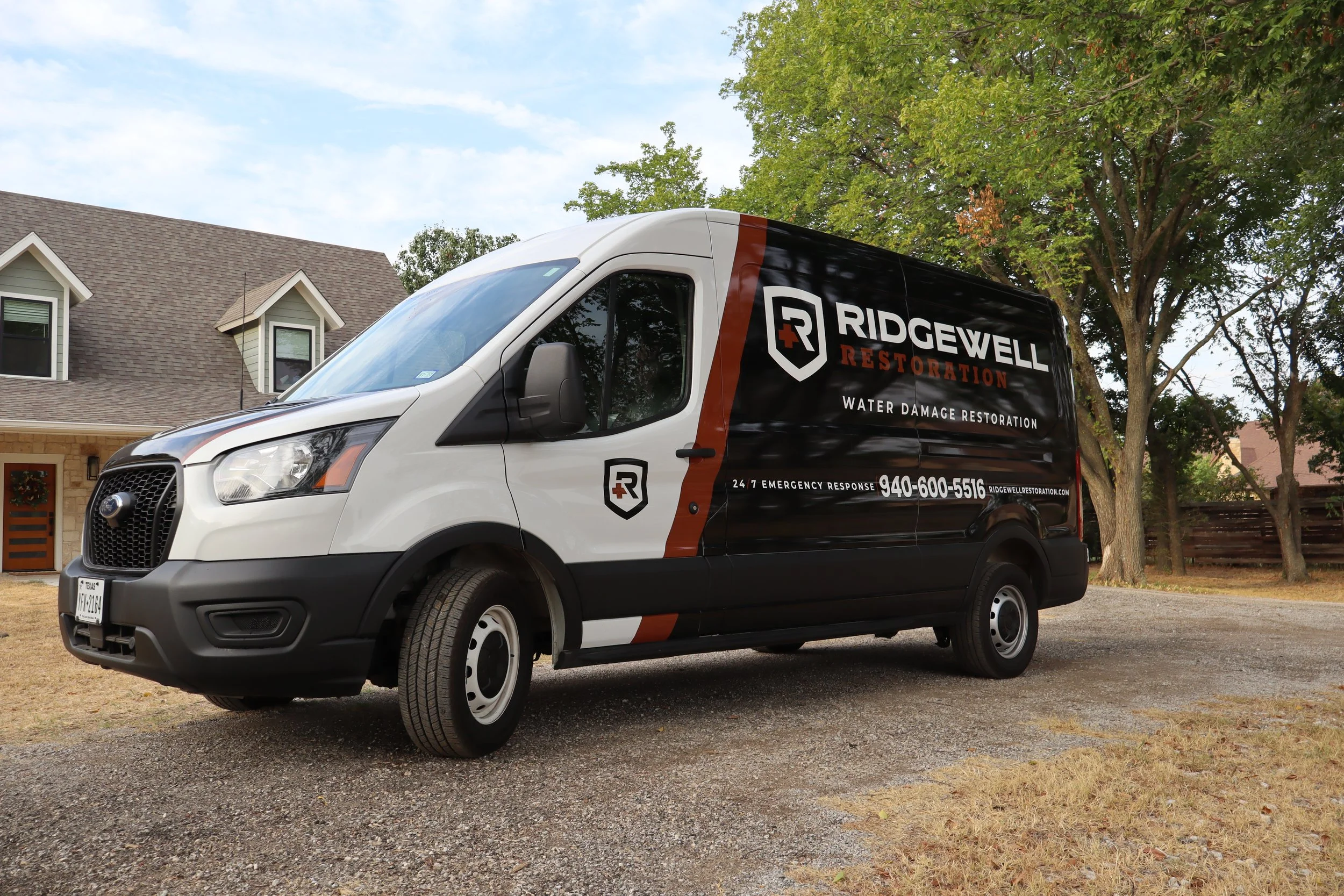
EMERGENCY WATER EXTRACTION
24/7 Emergency Water Extraction & Water Removal in North DFW
Fast response. Professional standing water removal. Damage containment and a clear plan for drying and restoration.
24/7 Emergency Response

IICRC Certified Technicians

Fully Insured For Your Protection

Insurance Claim Support

Standing Water in Your Property Right Now?
Quick action helps prevent further damage. If it’s safe to do so:

Stop the source of water if safe.

Avoid electrical hazards.

Move valuables to a dry area if safe.

Call Ridgewell for 24/7 response
What Emergency Water Extraction Solves
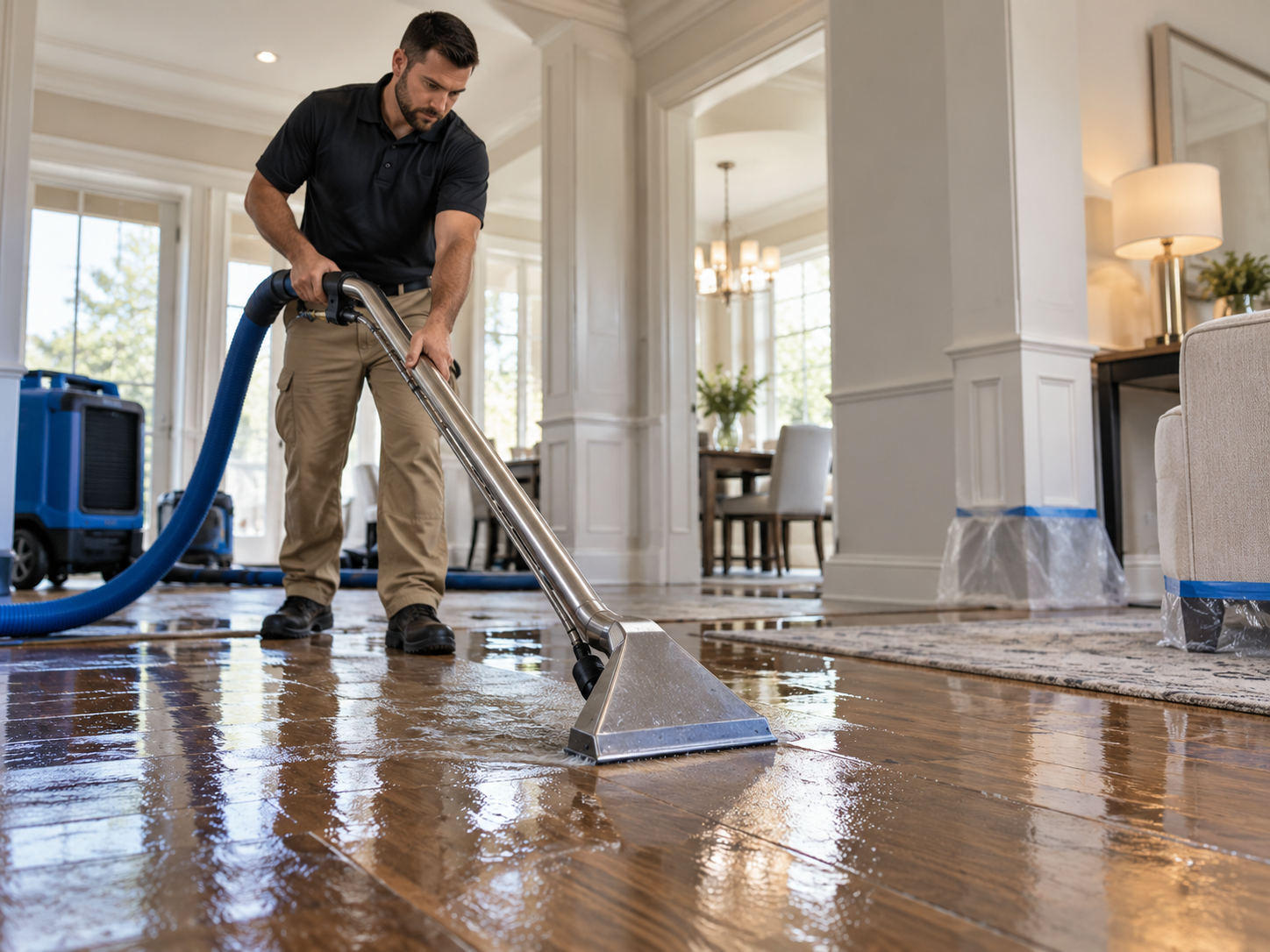
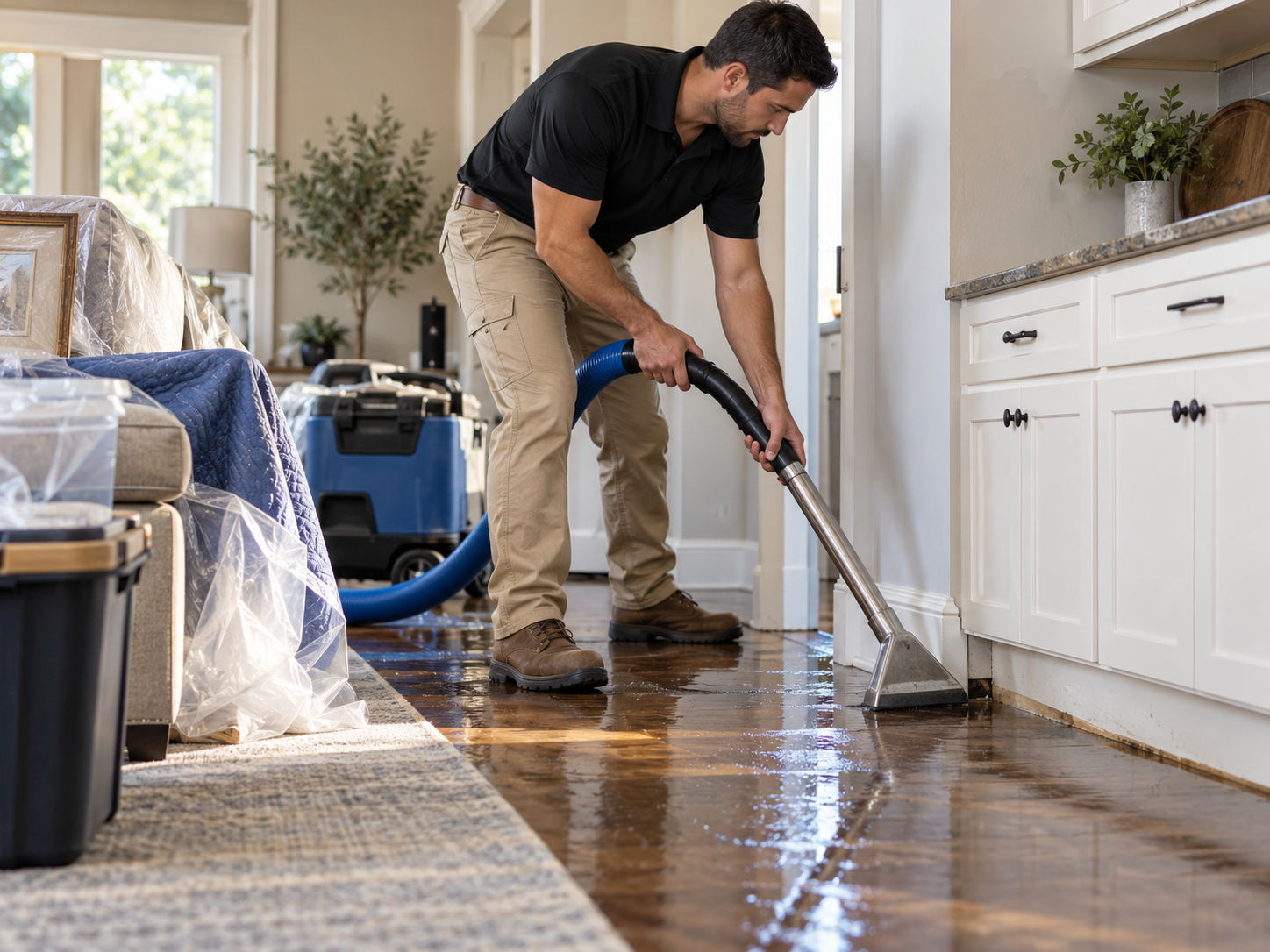
Standing Water Removal
Quickly remove significant amounts of water from your home or business.
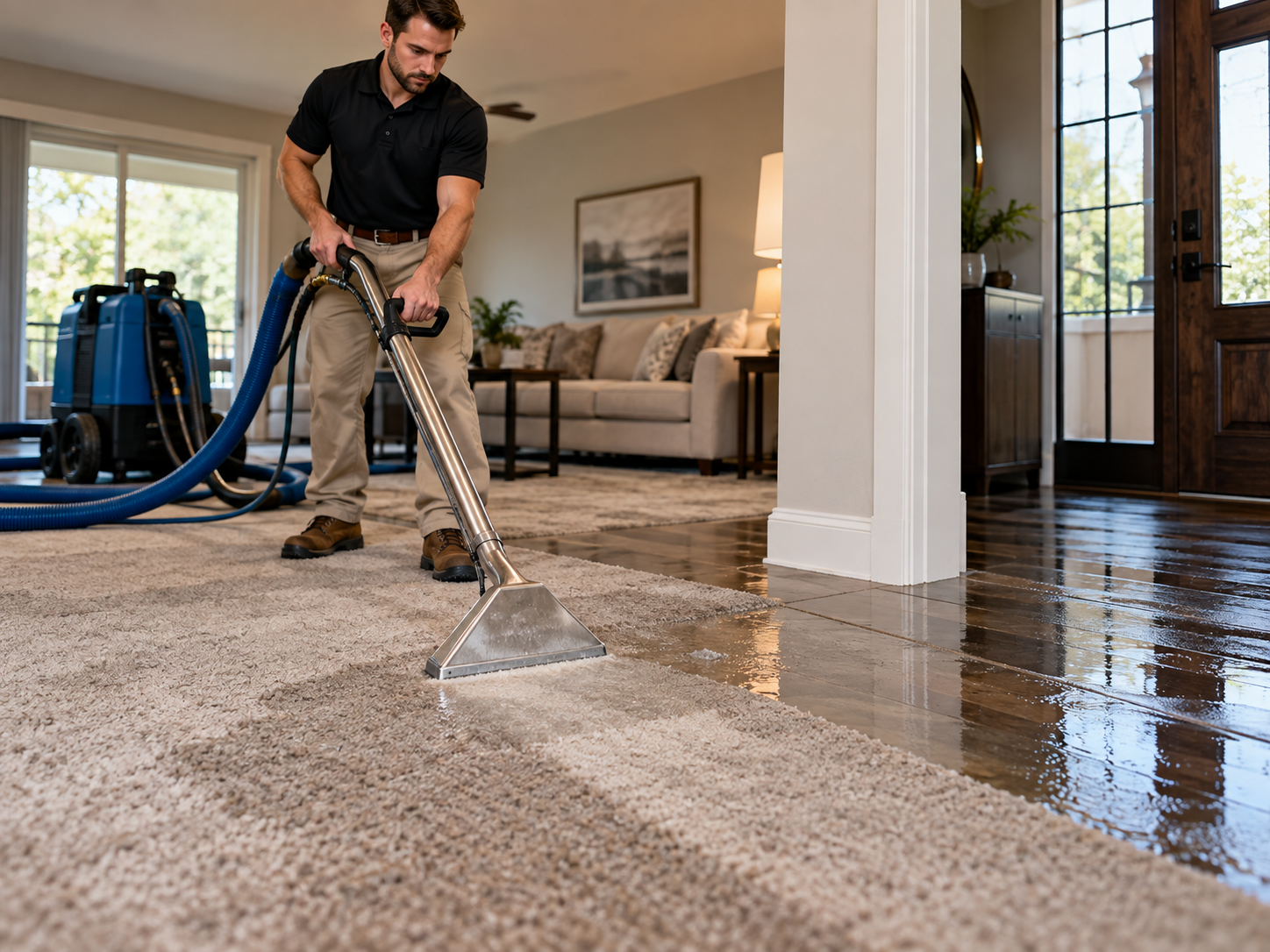
Carpet & Hard-Floor Extraction
Remove water from carpets, wood, tile and other flooring so that they can dry faster.
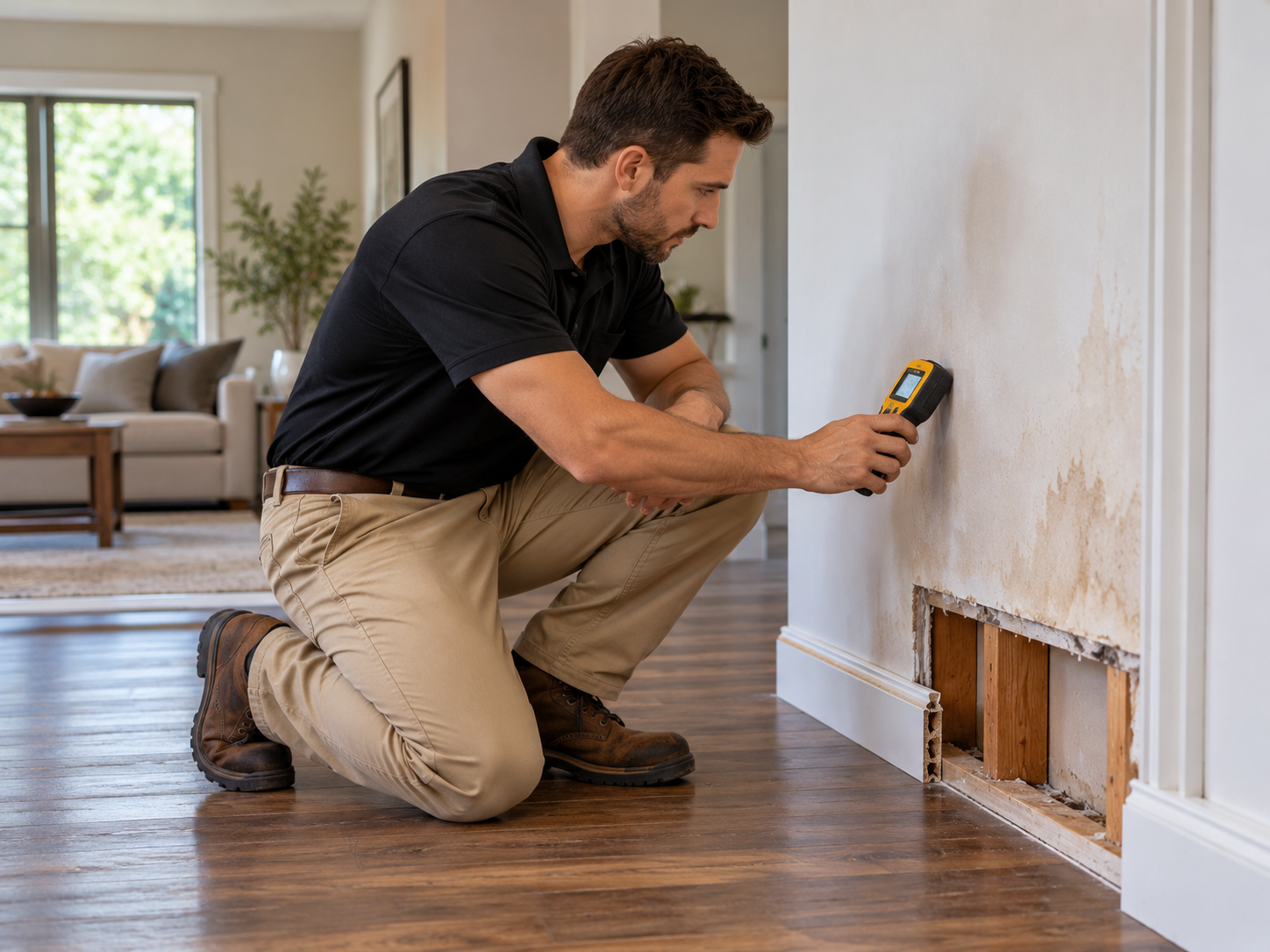
Prevent Secondary Damage
Rapid extraction helps limit water migration into walls, flooring, cabinetry and other materials.
Minimize Demolition
Removing water quickly can improve the chances of drying and saving affected materials, helping avoid tear-out that may not be necessary.
Burst Pipes
Appliance Failures
Water Heater Leaks
Toliet Overflows
Plumbing Leaks

Roof / Storms
Sewage or contaminated water? If the water may be contaminated (Category 2 or 3), visit our Sewage Cleanup page to learn more.
COMMON CAUSES OF WATER DAMAGE
Our Emergency Extraction process
1: Assess & Protect
We inspect, identify the water source, and ensure the space is safe to work in.

2: Extract Water
We use professional extraction equipment sized for your property and the level of water

3: Map Moisture
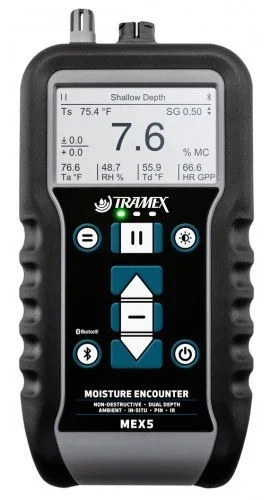
We check for water migration using moisture meters and thermal imaging.
4: Dry & Monitor
We create a clear plan for structural drying and next steps to restore your property.
Professional Equipment. Faster Water Removal
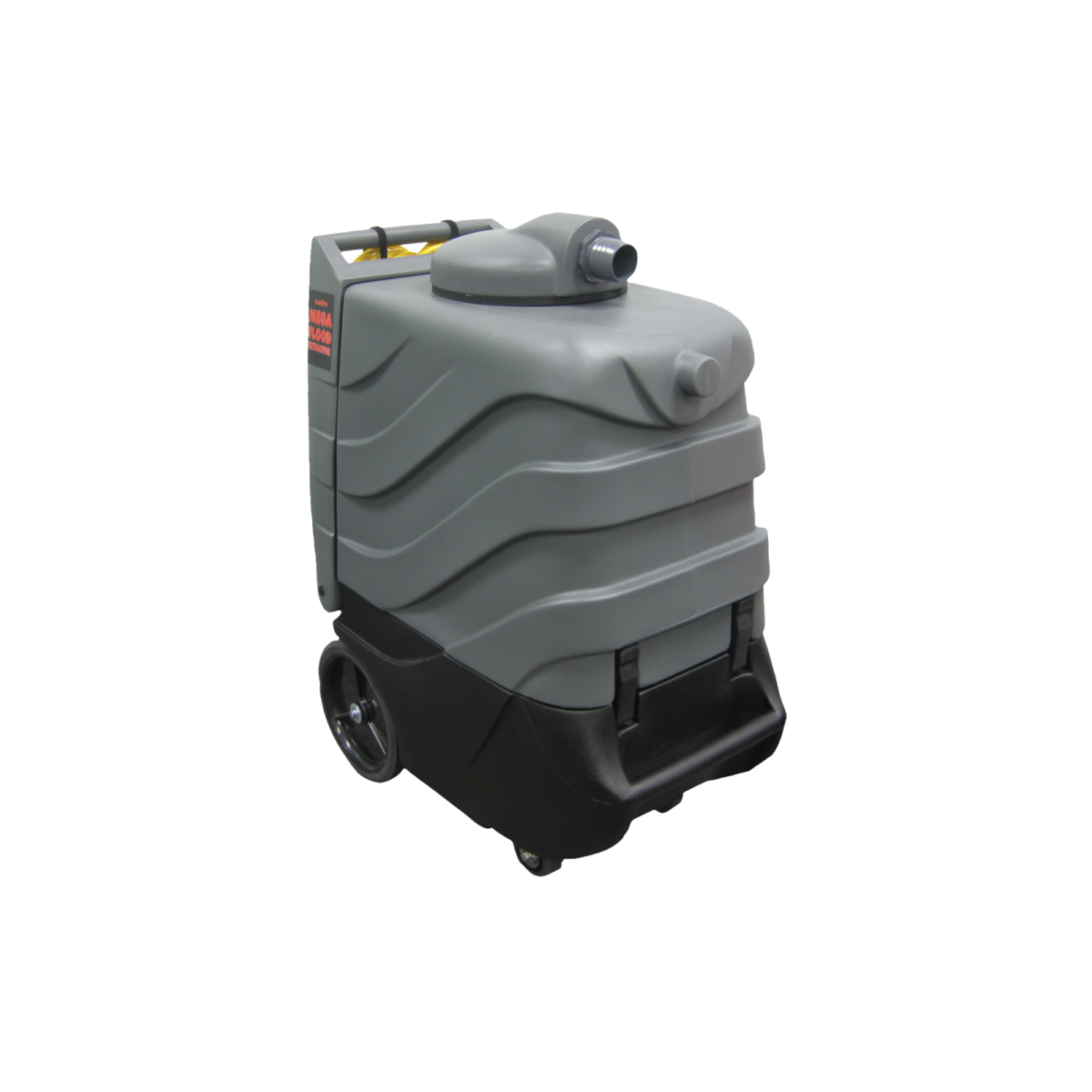
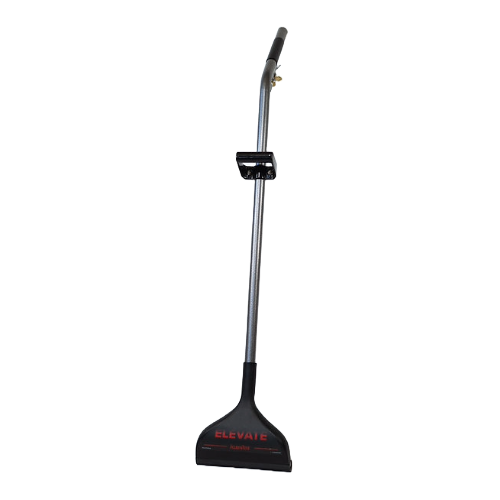
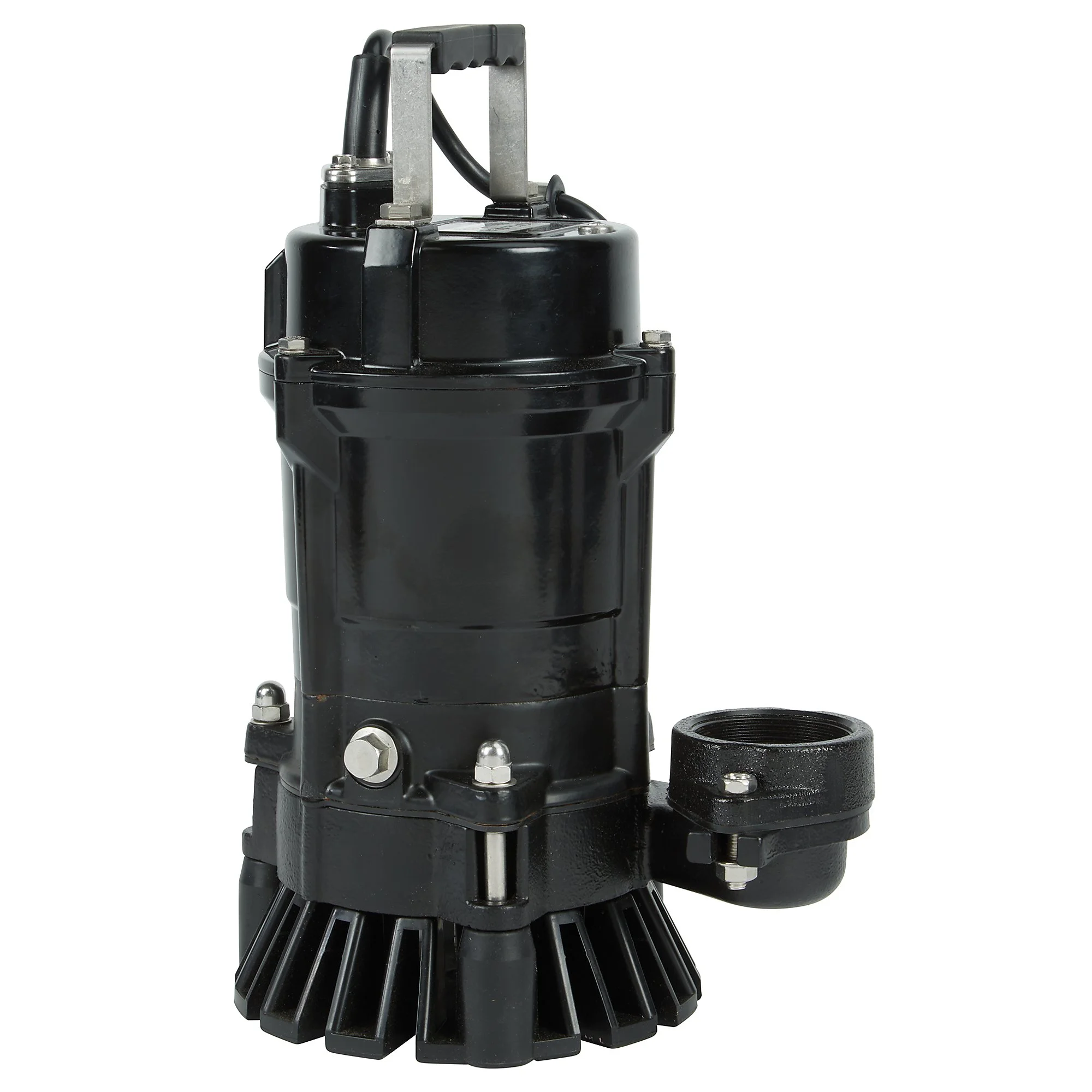
We use commercial-grade extraction equipment, including truck-mount and portable extractors, submersible pumps, weighted wands, and moisture detection tools. The right equipment depends one depth of water, flooring type, material composition, and the size of the affected area.
-
As quickly as possible. Standing water can continue to migrate into flooring, drywall, cabinetry, and other materials with every passing hour, increasing the risk of additional damage and raising the scope and cost of restoration. That’s why we operate 24/7. Water damage cannot wait!
-
The extraction step itself is often completed immediately when Ridgewell gets on site, but the exact time depends on how much water is present, the size of the affected area, and the materials involved. Keep in mind that extraction is only the first phase: full drying and monitoring continue afterward and often take around 3–5 days or more, depending on conditions.
-
No. Extraction removes the bulk or standing water using pumps, wands, or extraction tools. Drying comes after that and focuses on removing the moisture that remains trapped in materials like drywall, wood, and subfloor using air movers, dehumidifiers, and moisture monitoring until appropriate drying goals are reached.
-
Often, yes: but it depends on the material, how long it has been wet, and the type of water involved. Carpet can sometimes be saved, although padding often requires careful evaluation and is frequently removed if saturated. Hardwood may cup or warp, but prompt extraction and specialty drying can often improve the chances of saving it, which is why speed matters so much.
-
Often, yes: if the water damage came from a sudden and accidental event that your policy covers, such as a burst pipe or sudden appliance failure. Standard homeowners policies often do not cover flood damage, and sewer/drain backup may require separate coverage or an endorsement. Coverage, deductibles, and limits vary by policy, so it’s best to notify your carrier early and review your specific coverage with your insurer or agent.
-
If it is safe to do so, shut off the water source, avoid electrical hazards, move valuables to a dry area, and remove some excess water by mopping or blotting. Do not use a household vacuum to remove water, and avoid using electrical devices in wet areas. If furniture is on wet carpet, protect it from further damage, and leave the rest to the mitigation team once they arrive.