
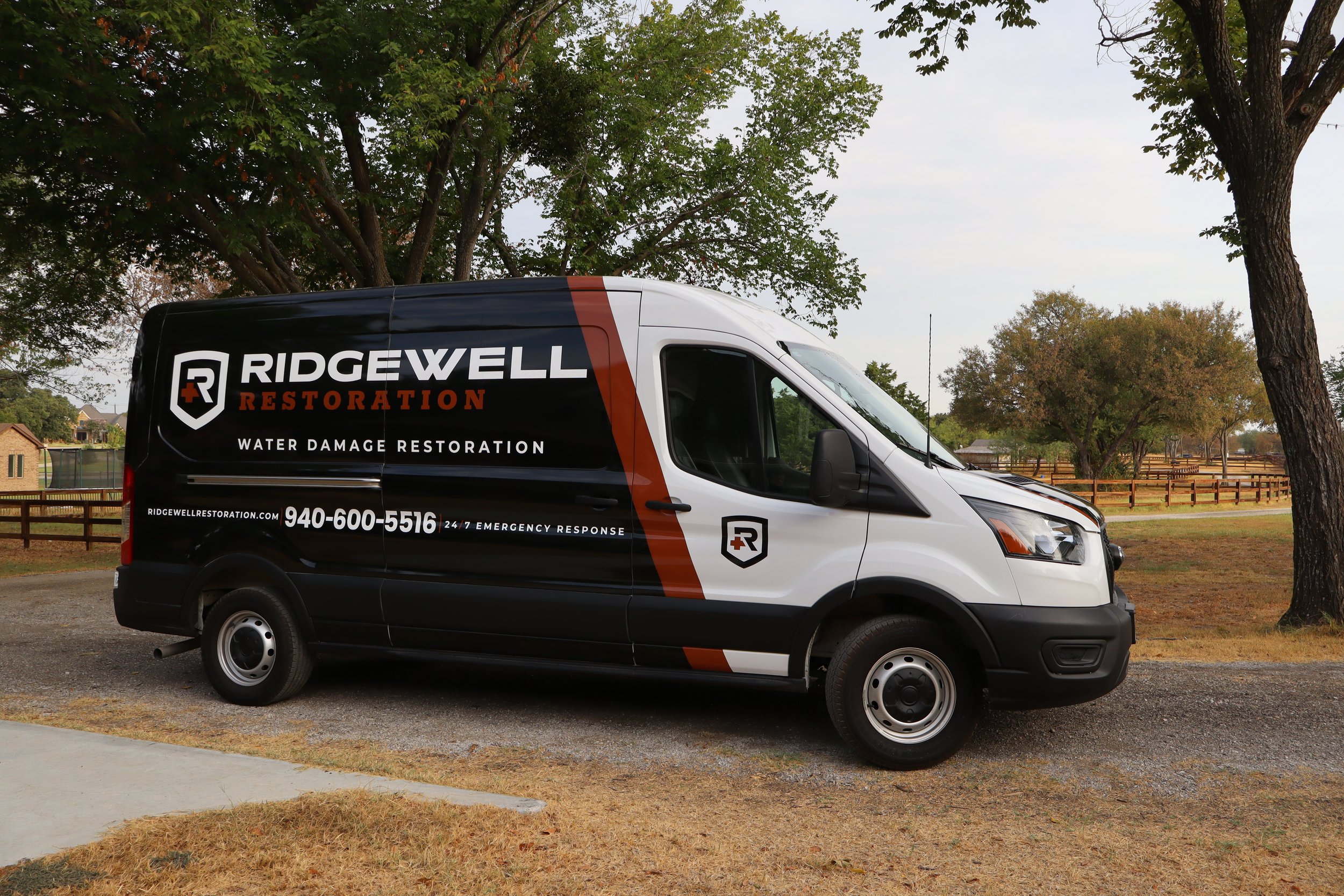
WATER DAMAGE RESTORATION
24/7 Water Damage Restoration in North DFW
Fast, professional mitigation, extraction, drying and recovery for homes and businesses. We respond quickly, communicate clearly, and work to get your property back to normal.
24/7 Emergency Response

IICRC Certified Technicians

Fully Insured For Your Protection

Insurance Claim Support

TAKE ACTION NOW
Water in Your Property Right Now?
Taking the right steps early can help minimize damage and protect your property. Here’s what to do.
1: Stop The Source
If it’s safe, stop the water at the main supply or source.
2: Safety
Avoid electrical hazards and stay out of affected area.
3: Limit Damage
Move valuable items if possible and avoid walking on wet flooring.

4: Call Ridgewell
We will guide you through the next steps and dispatch a technician quickly.
OUR WATER DAMAGE RESTORATION SERVICES
What Water Damage Restoration Includes
A comprehensive approach to mitigate damage, thoroughly dry your property, and get you back to normal
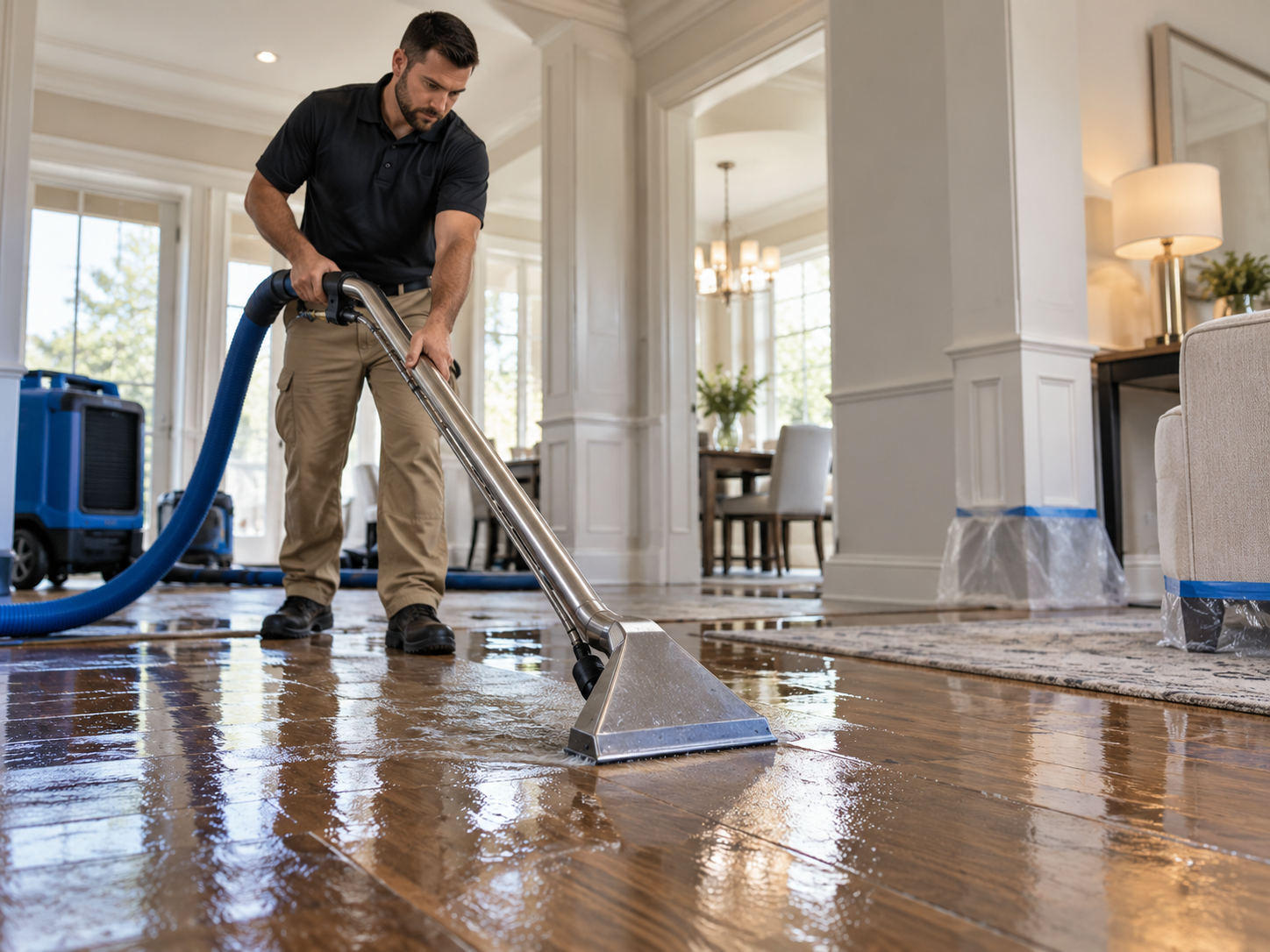
Remove & Stabilize
We remove standing water, stop the source, and protect your property from further damage
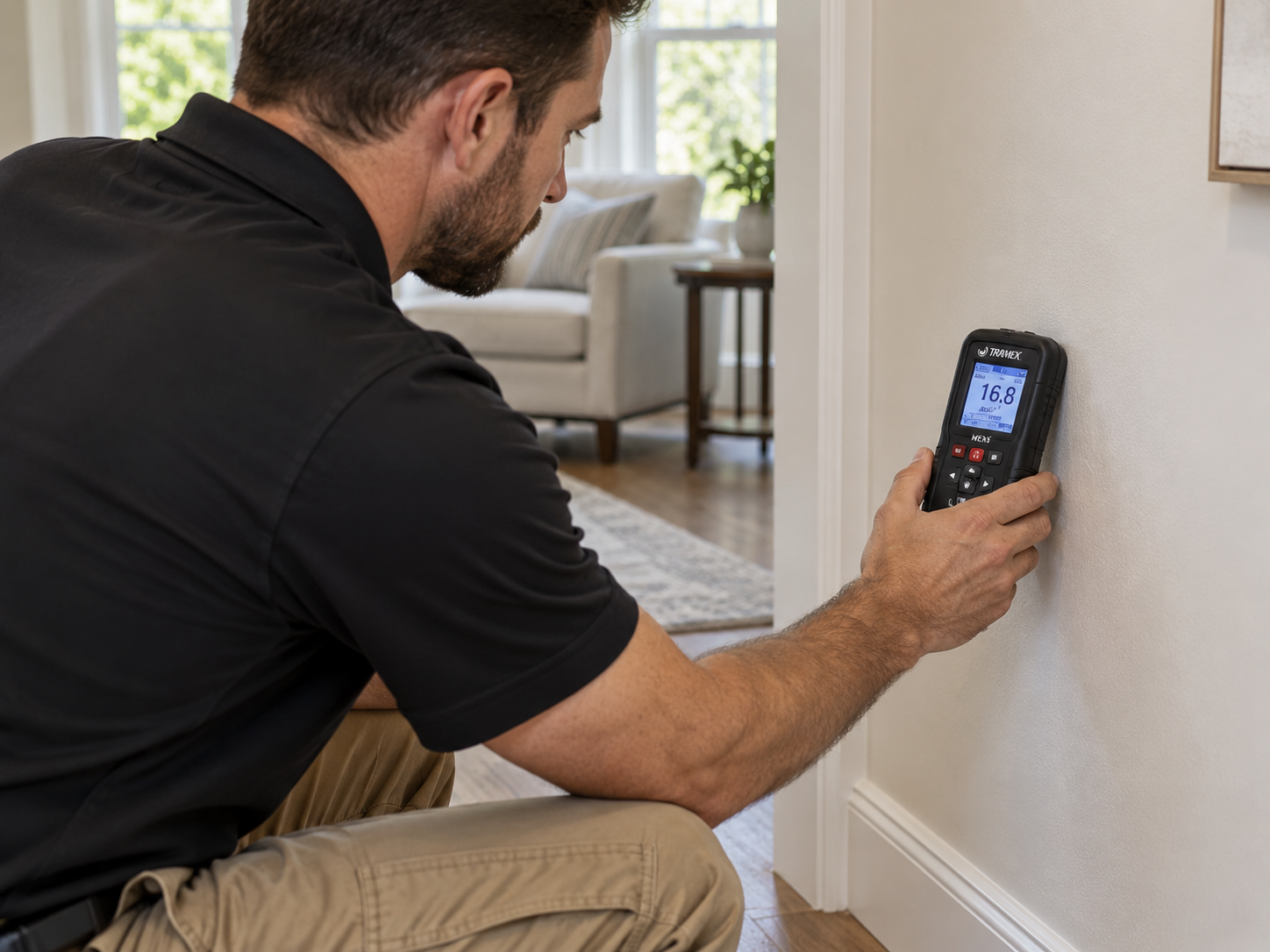
Find Hidden Moisture
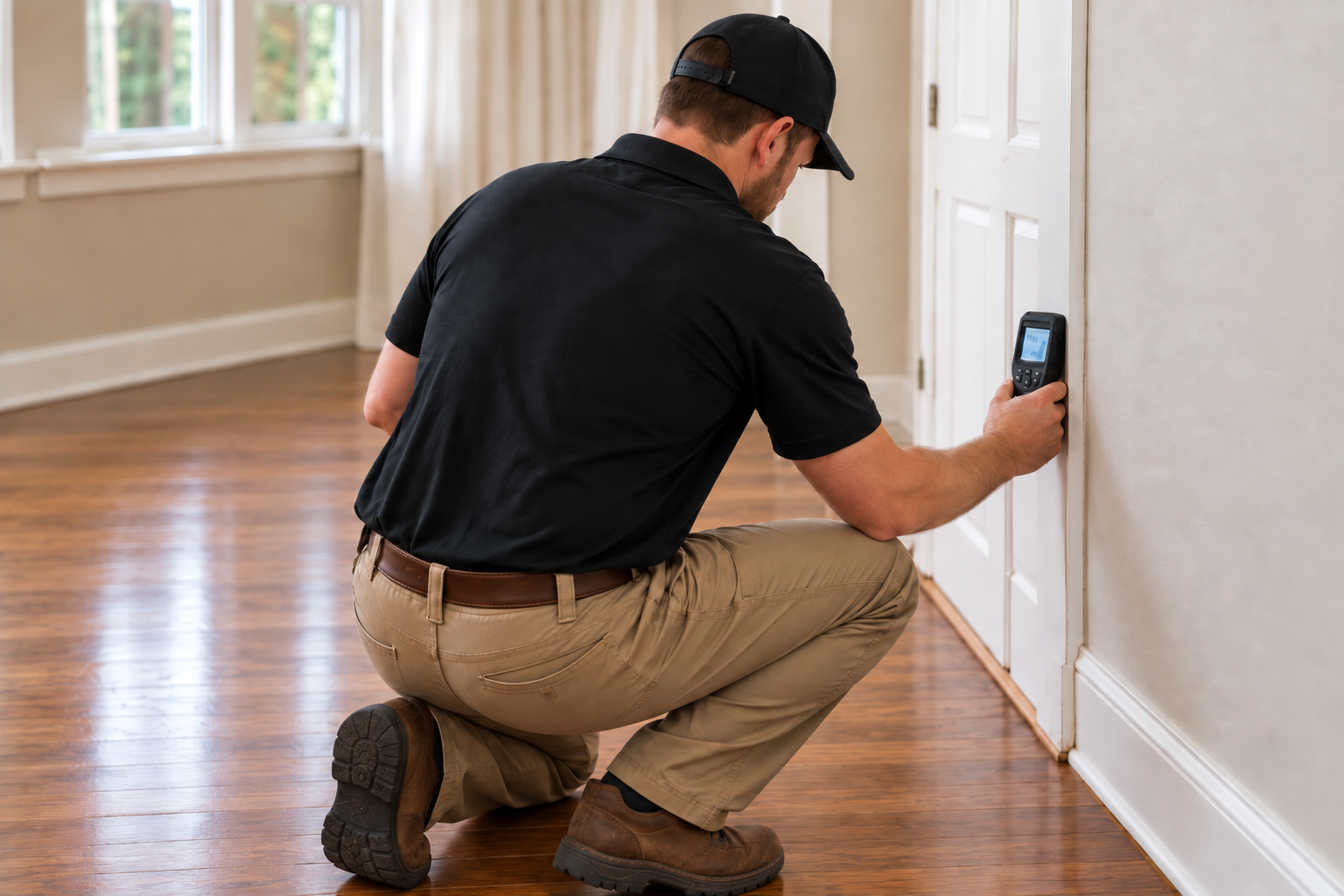
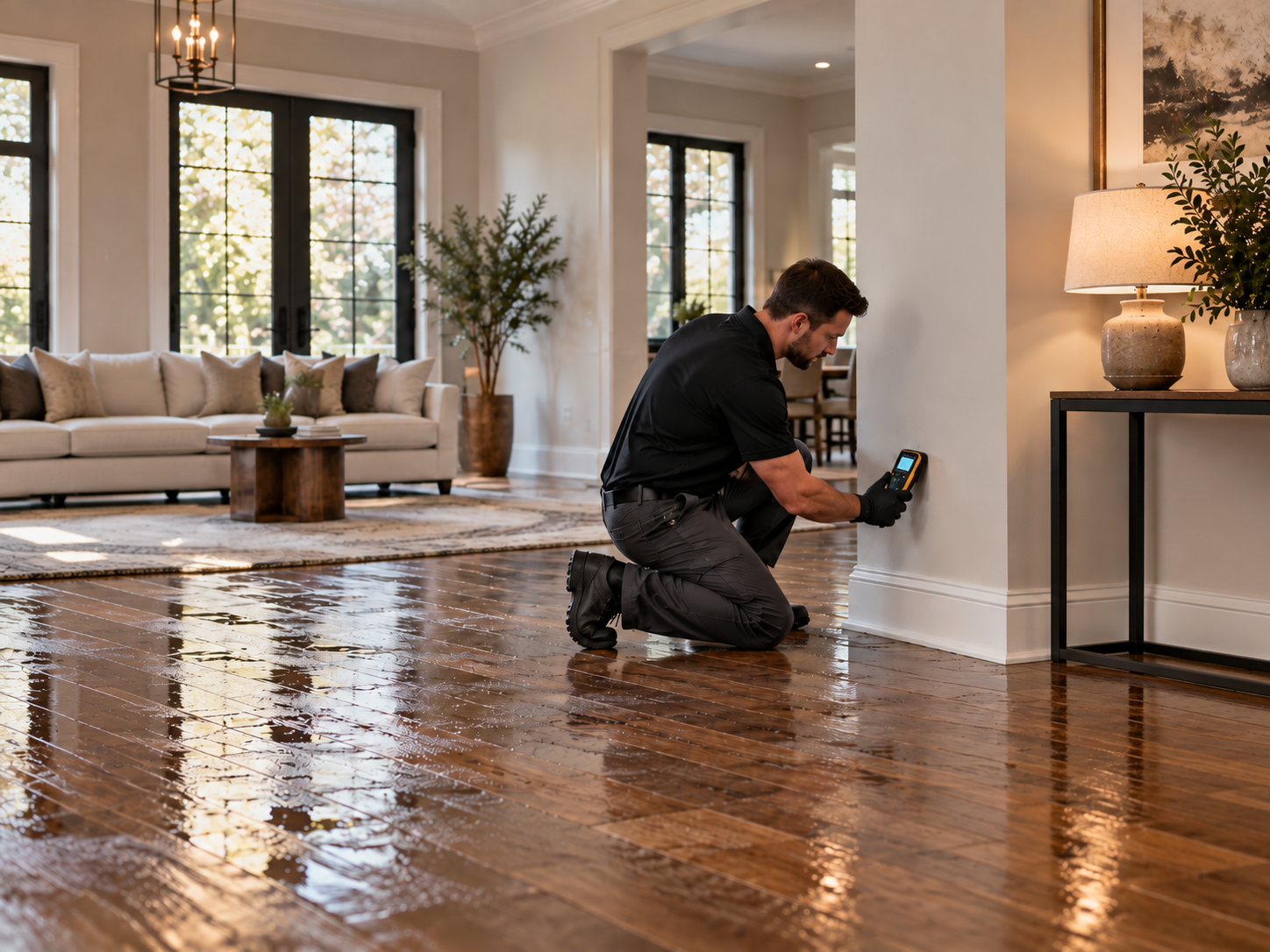
We use professional moisture meters and thermal imaging to locate hidden moisture and set the dry standard of materials.
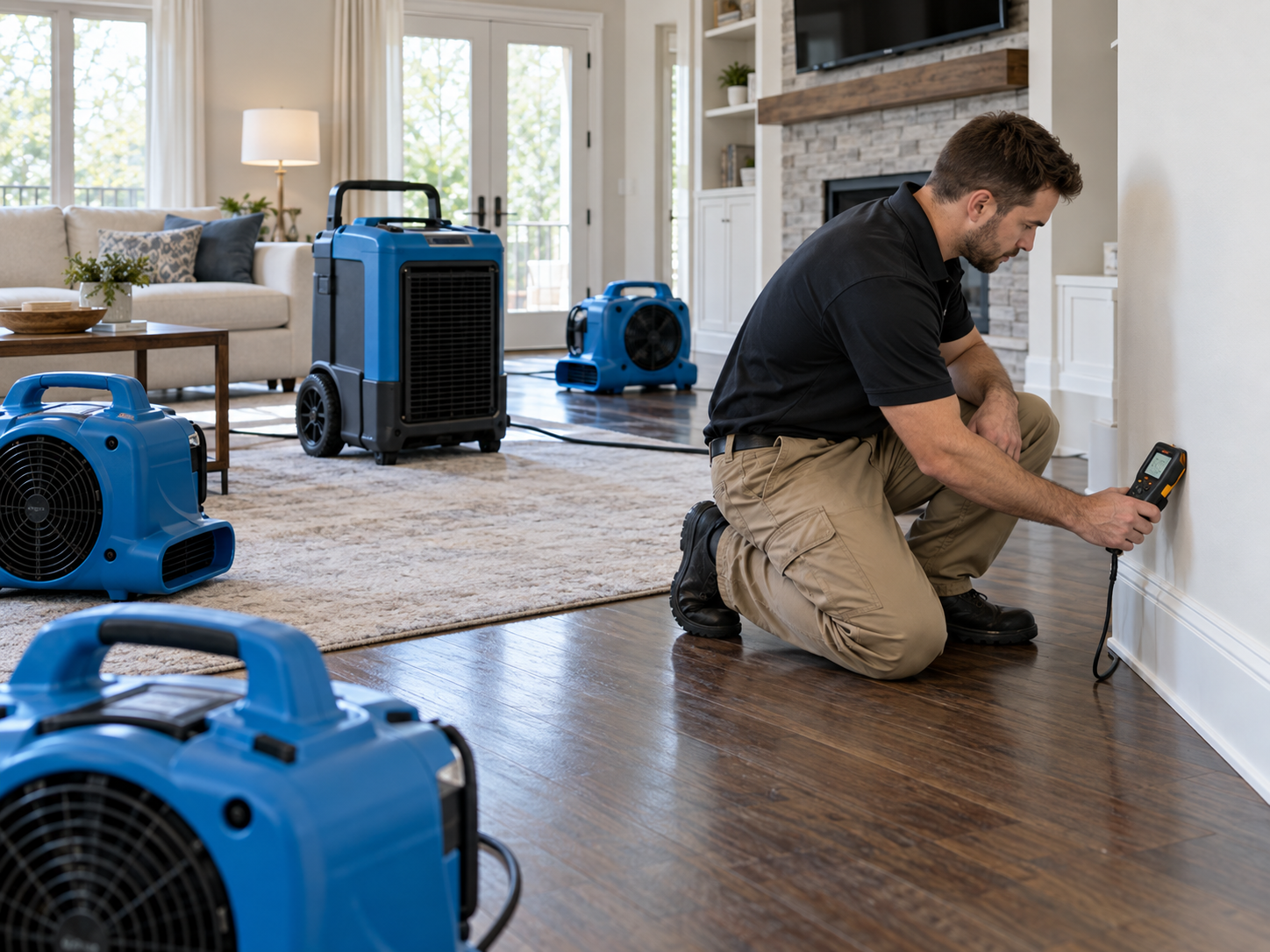
Dry, Monitor & Verify
We strategically place air movers, dehumidifiers, and air filtration devices throughout your property. We then monitor progress to verify property drying.
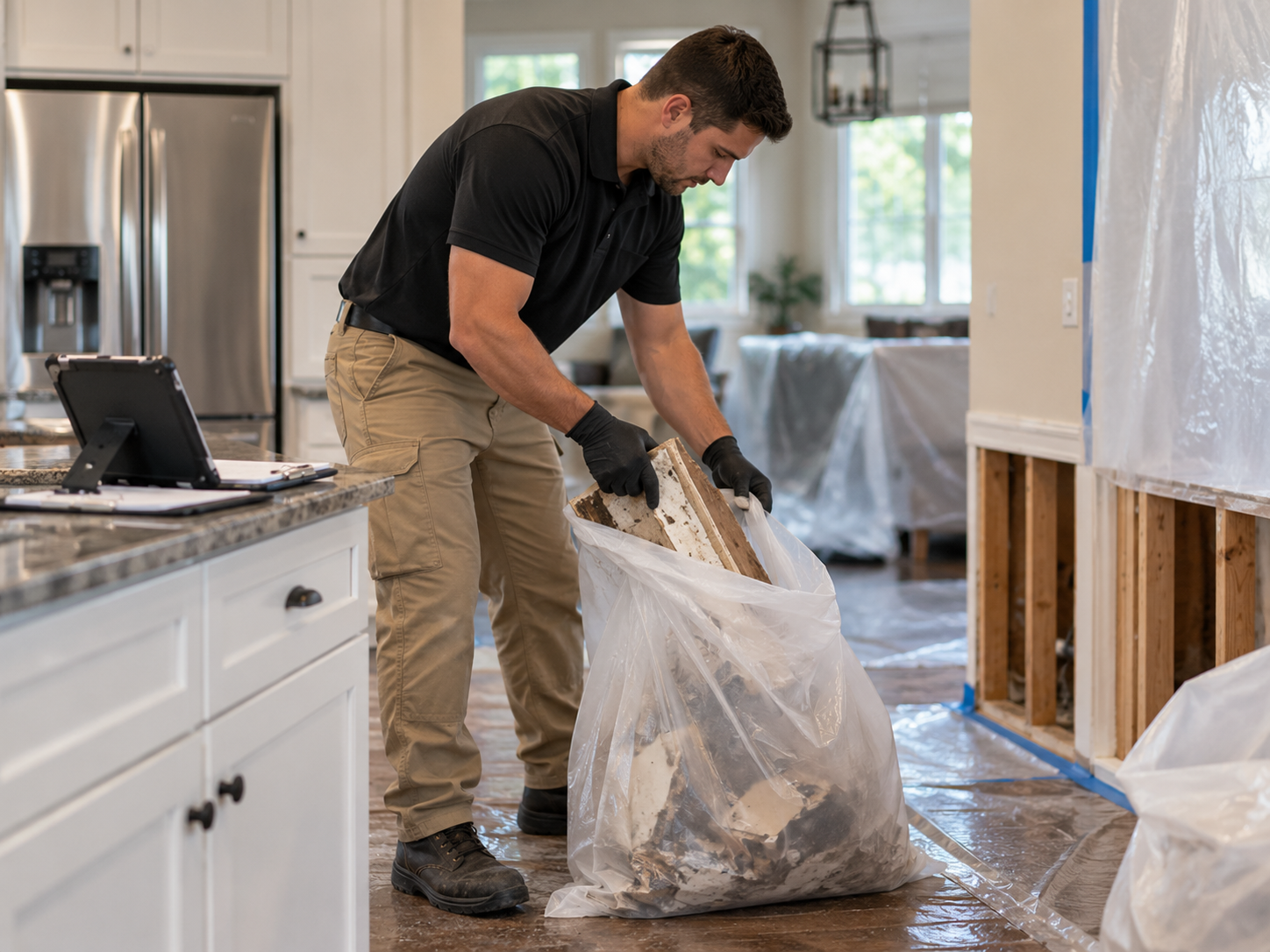
Restore & Document
We document the entire progress with moisture logs and photographs to support your insurance claim and next steps.
HIDDEN MOISTURE CAUSES BIGGER PROBLEMS
The Water You See Isn’t Always the Biggest Problem
Water can travel behind walls, under flooring, and into insulation. This causes damage long after the visible water is gone. We use industry leading moisture detection equipment and processes to identify the full extent of moisture and ensure your property is properly dried.
Drywall and insulation
Subflooring and framing
Cabinetry and baseboards
Hardwood, tile and carpet
Ceilings and upper levels
Hidden leaks and damage
Burst Pipes
Appliance Failures
Water Heater Leaks
Toliet Overflows
Plumbing Leaks

Roof / Storms
COMMON CAUSES OF WATER DAMAGE
DRY WHAT WE CAN, REMOVE ONLY WHAT WE MUST
A Balanced, Property-First Approach.
Our goal is to save your property, not tear it apart. Using data-driven drying techniques, we dry what can be dried and only remove materials that are unsalvageable or pose a health risk


Often Dryable
Many drywall assemblies
Hardwood flooring [in many cases]
Cabinets and trim
Structural framing
Carpets (and sometimes pad)





May Require Removal
Severely damage drywall
Saturated insulation
Warped or delaminated flooring
Material with microbial growth
Category 3 (sewage) affected items
Our Process
From Water Damage to a Dry, Healthy Property.
1: Assess & Protect
We inspect the damage and take steps to protect your property.

2: Extract Water
Powerful extraction equipment removes standing water.
3: Map Moisture
We use advanced tools to find hidden moisture and create a drying plan.
4: Dry & Monitor
Commercial air movers and dehumidifiers run with daily monitoring.
5: Document
We confirm drying/cleaning goals, document the process and help with the next steps.
DRYING IS MEASURED, NOT GUESSED
Professional Equipment. Data-Driven Results.
We use industry-leading equipment and daily moisture readings to ensure your property is completed dried; not just surface dry. This helps prevent future issues like mold, structural damage, and foul odors.
Moisture mapping and readings
Strategic air movement and dehumidification
Daily monitoring and adjustments
Final Drying verification
SUPPORTING YOUR INSURANCE CLAIM
Clear Documentation for a Smoother Process
We provide detailed photo documentation, moisture readings, and daily logs to support your insurance claim. Everything we do is by the S500 standard so there is alignment with insurance.
Before, During, After photos of affected areas
Moisture readings and drying logs
Scope documentation
Clear, consistent communication
-
Most standard residential drying jobs take about 3–5 days, but the actual timeline depends on the amount of water, how far it traveled, the materials affected, whether demolition is needed, and the type of loss involved. In line with ANSI/IICRC S500, drying should be based on inspection, moisture measurement, and ongoing monitoring so some jobs may move faster while others take longer.
-
Sometimes, yes. Drywall may be salvageable when the water is clean, the damage is caught quickly, the wall assembly is drying properly, and the material has not lost its integrity. If drywall is heavily saturated, contaminated, swollen, deteriorated, or hiding wet insulation and trapped moisture, removal is often the better option.
-
A property is not considered dry just because it looks or feels dry. We verify drying with professional moisture meters and documented readings, then continue monitoring until affected materials have returned to acceptable drying goals. That measurement-based approach is central to ANSI/IICRC S500, which specifically covers psychrometry, drying technology, instruments, inspections, materials, and project documentation for water damage. The S500 is also what insurance will reference to ensure that property steps are being followed by contractor in the claim.
-
It depends on the source of the water and your policy. In general, homeowners insurance often helps cover sudden and accidental water damage (such as a burst pipe or sudden appliance failure) but it often does not cover flooding, long-term leaks, neglect, or some sewer/sump backup events unless you have specific additional coverage on your policy. That’s why we recommend notifying your carrier early and reviewing your policy details with your agent or adjuster.
-
Often, yes if the damage is limited and the affected area can be safely managed. Many homeowners can remain in the home during mitigation, but it depends on the extent of the damage, the areas affected, noise from equipment, access needs, and whether essential spaces like kitchens or bathrooms are impacted. If the loss is widespread or the living conditions are not practical, temporary relocation may make more sense.
-
If it is safe to do so, stop the water source, avoid electrical hazards, move small valuables or contents out of the affected area, and keep people and pets away from wet or unsafe spaces. Do not use a household vacuum to remove water, and do not put yourself at risk around standing water or wet electrical areas.
FREQUENTLY ASKED QUESTIONS
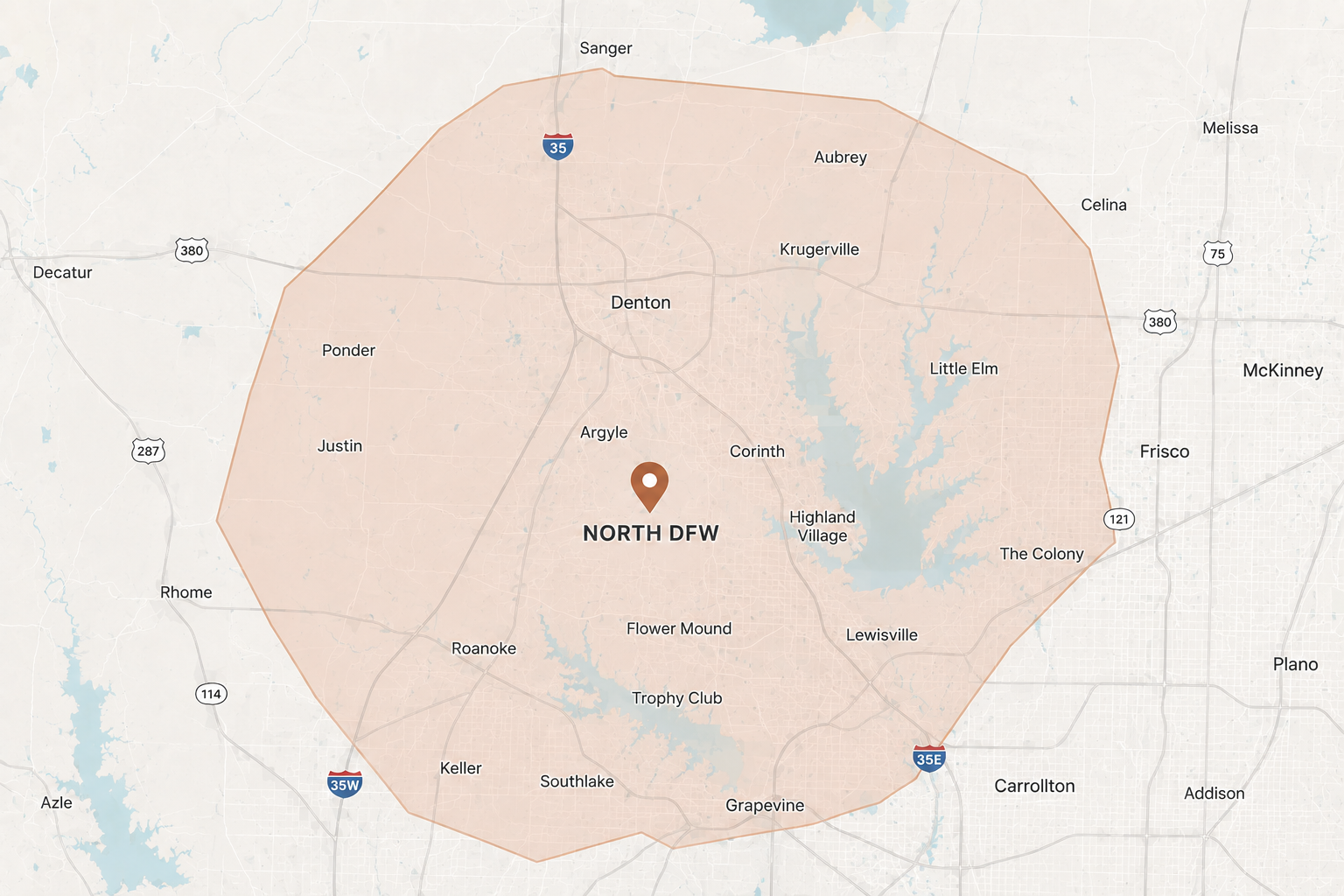
Proudly Serving North DFW
Local Response. Local People.
Denton
Flower Mound
Argyle
Lantana
Lewisville
Double Oak
Copper Canyon
Southlake
Roanoke
Trophy Club
Justin
Highland Village
Bartonville
Ponder
Little Elm
Grapevine
Keller
Corinth
Lake Dallas
Bartonville
Aubrey

Water Damage Doesn’t Wait. Neither Do We.
Call now for immediate help. Our phones are available 24/7